
"The Devil......has a bible?"
The Lore of the Codex Gigas.

In Christianity, the bible is considered as the word of God. Not only in Christianity, it’s also in the center of Judaism, particularly the Old Testament, and also esteemed in Islam.
But, what if I tell you, there is something called the ‘Devil’s Bible’? It would sound like the highest form of blasphemy in the world of Abrahamic religions. But there is actually one book like that - The Codex Gigas, that currently resides in the National Library of Sweden in Stockholm.
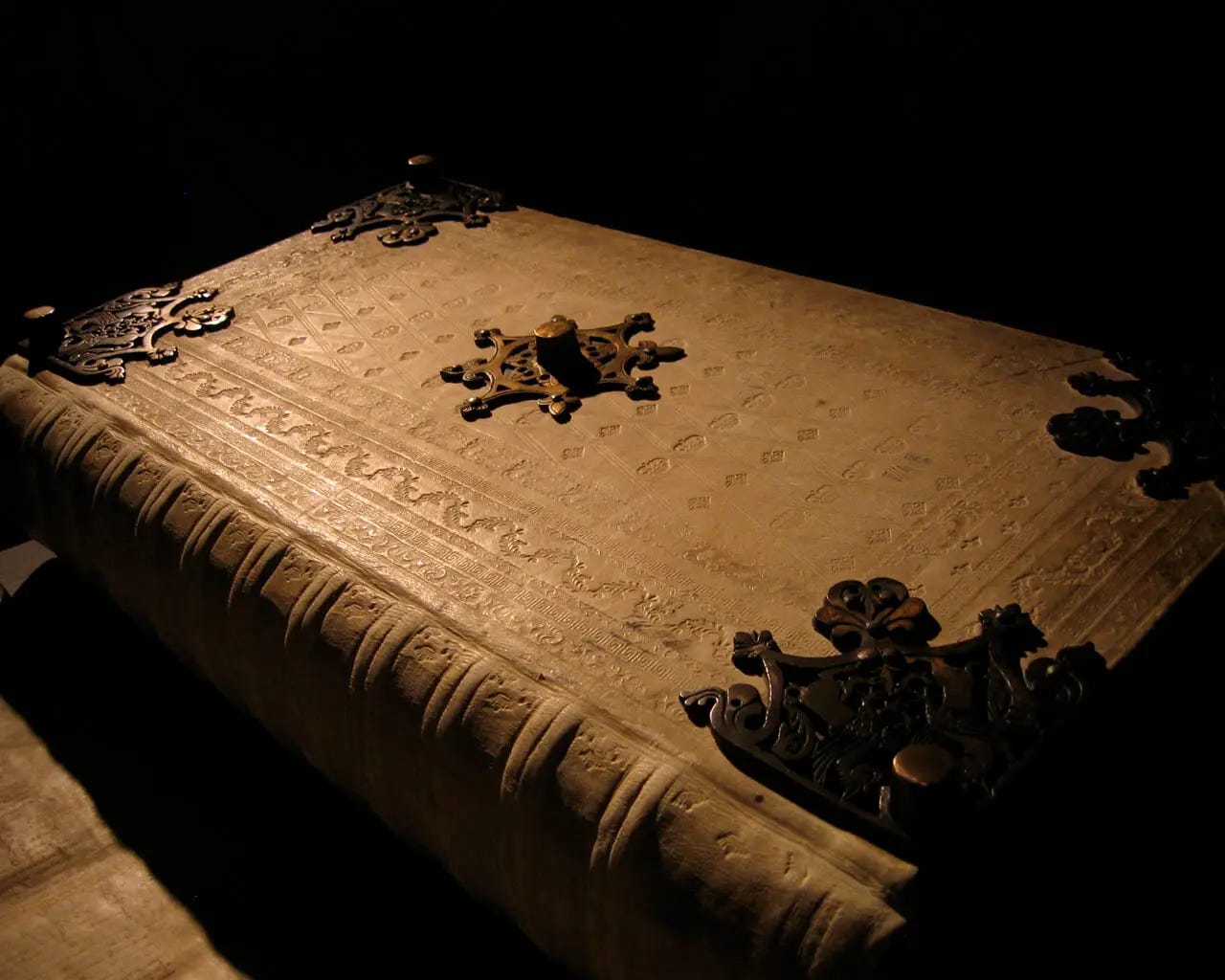
“So….Tell Me About This Book”
Codex Gigas is the largest extant medieval illuminated manuscript we have from history.
(Illumated Manuscript - formally prepared document where the text is decorated with borders and miniature illustrations.)
Even if we don’t ponder upon the contents of this book, the sheer size of this manuscript is bizarre.
Length : 92 cm (close to a meter)
Width : 50 cm
Thickness : 22 cm
Weight : 74.8 kg (same as an average adult male)
No. of leaves : 310 (therefore 620 pages)
Material used : Vellum (writing material prepared animal skin or membrane)
If you do a bit of math, you will see it took 142.6 sq.m of animal skin for this book, which means skins of 160 donkeys or calves were needed for codex gigas. Crazy. But it’s crazier once you get to know the legend behind it.
“Legend? What legend?”
This lore starts 800 years ago, in a remote monastery of the then Bohemia, a medieval monk was sentenced to live entombment for breaking his monastic vows, a punishment in which someone was permanently sealed inside a confined space and left to die.
Now a dying person tries to catch the straws. This guy was no different - in an attempt to be pardoned, he promised to write the biggest book ever written in the span of A SINGLE NIGHT.
He wrote and wrote and wrote. But a human, even if he is an extraordinary scribe, can only write so much in one night. The monk realized it wasn’t possible, not with his human limits. So he got onto his knees, and prayed.
To God? Nope. He chose the other way, by praying to the devil, Lucifer. Lucifer didn’t deny the request, bestowing the monk with the power to complete the book within a single night in exchange of his soul. In another version, the Devil himself completed the codex.
“Alright, But what’s so eerie about it?”
Multiple things. But the most weird (and the most fascinating) part of it is the page 577. A half meter long illustration of the devil himself.
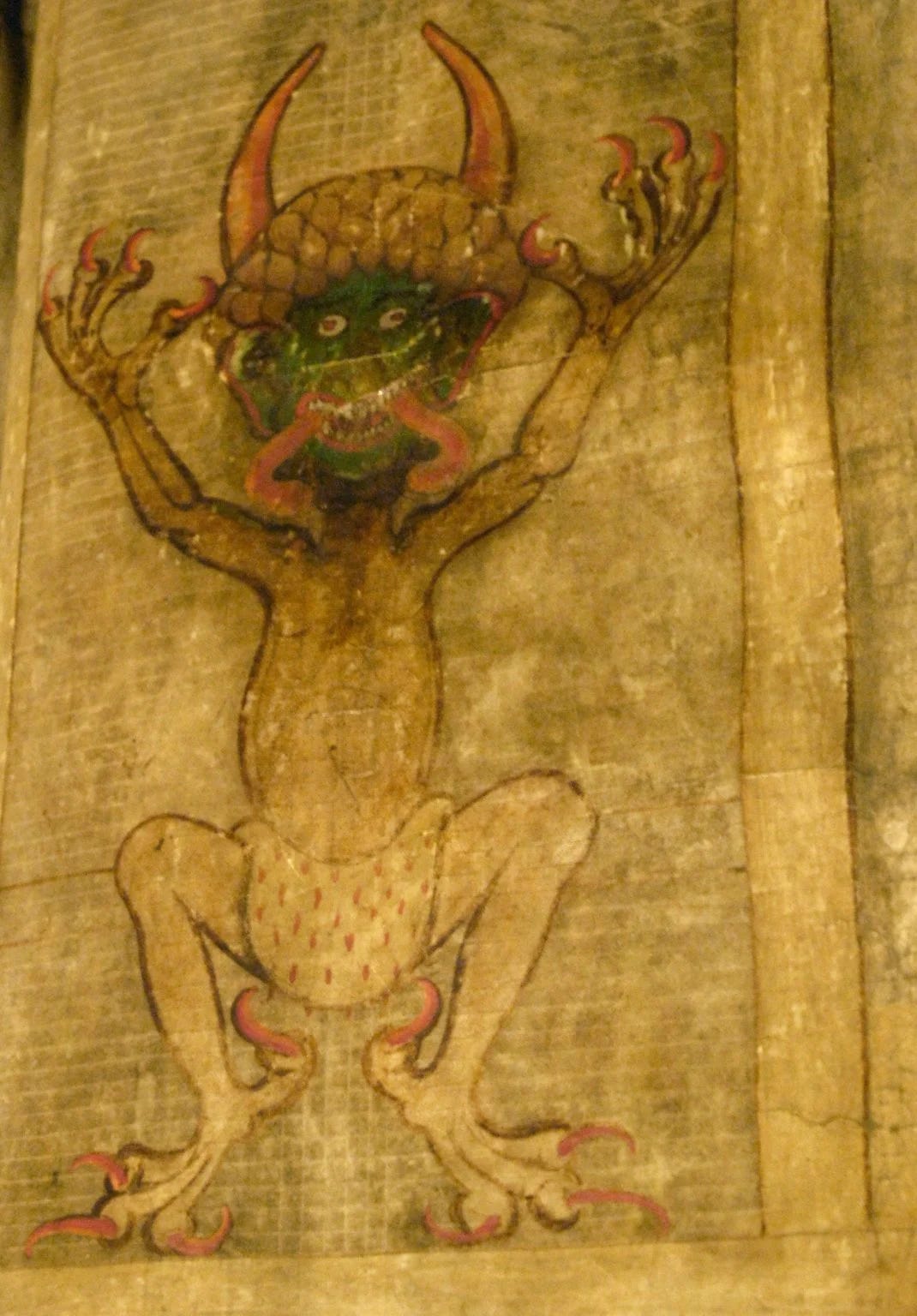
I don’t know about you, but this one certainly gave me goosebumps. This illustration is placed directed opposite to the illustration of Kingdom of Heavens in page 576. That’s some high level blasphemy.
It is said that the monk drew this illustration in the codex as a tribute to the devil.
“What else makes it weird?”
A few things.
Its origins - Codex Gigas was originally found in Benedictine monastery of Podlažice near Chrast in Bohemia (modern-day Czech Republic).
Now as I have mentioned before, the 310 vellum leaves meant 160 donkeys or calves, which can be pretty expensive. Not to mention the cover of the codex that would take a very skilled artisan to make it. The weird thing? This monastery in Bohemia was found out to be rather poor, far from the condition that would allow them to fund such a massive project.
The handwriting - Starting from page 1 to the end in page 620, the handwriting has been eerily same. Writing a book of this size and volume is hard and time consuming, and keeping the handwriting consistent is harder over the period of time even for an extraordinary scribe. Unless there is something superhuman about that person, or dare I say, supernatural.
The time period - It is said it would take 20 years of non-stop work of a person to write this codex. The handwriting does suggest that it was written by a single person. Almost consistent handwriting over the course of 20-30 years does sound unusual doesn’t it.
Strange, isn’t it?
“Indeed…..so what are the contents?”
So, in medieval codices, usually the Old and New Testaments Bibles are written. This one was no different. But a book this massive meant only half of it was used to write the Bible.
However, one part of the Codex Gigas has been lost because the pages were cut out of the manuscript: The Holy Rule of Saint Benedict, a tutorial on the basics of monastic life written in the 6th century.
So what’s in the second part? History and Medicine. The Codex Gigas has 5 long texts that are intended to make it easier for the reader to understand the biblical texts.
2 of the longer texts are dedicated to Jewish history : ‘Antiquities of the Jews’ describes the Jewish people’s history from the creation of the world until 66 AD. ‘The Jewish War’ relates the story of the Jews’ rebellion against the Romans, a conflict that ran from 66 to 70 AD.
There is an early encyclopedia, ‘Etymologiae’ written by Bishop Isidorus of Seville, in the 3rd long text. Etymologiae is a compendium of the knowledge of that time. It contains everything from grammar, rhetoric and geometry to sociology, legal science and philosophy. It even has texts related to entertainment and clothing.
The 4th long text contains Medica, a compendium of medical works that was used as a standard manual for the teaching of medicine throughout medieval Europe.
And the final long text is about Czech history, Bohemian chronicle of Cosmas of Prague, which was originally penned around the year 1100. The chronicle is the first work about the history of Bohemia, which makes it an important source for Czech historiography.
Now onto the third and the most sinister portion of the codex - confessions, spells and magic.
First comes 5 pages long confession. No, not love confessions, rather sin confessions.
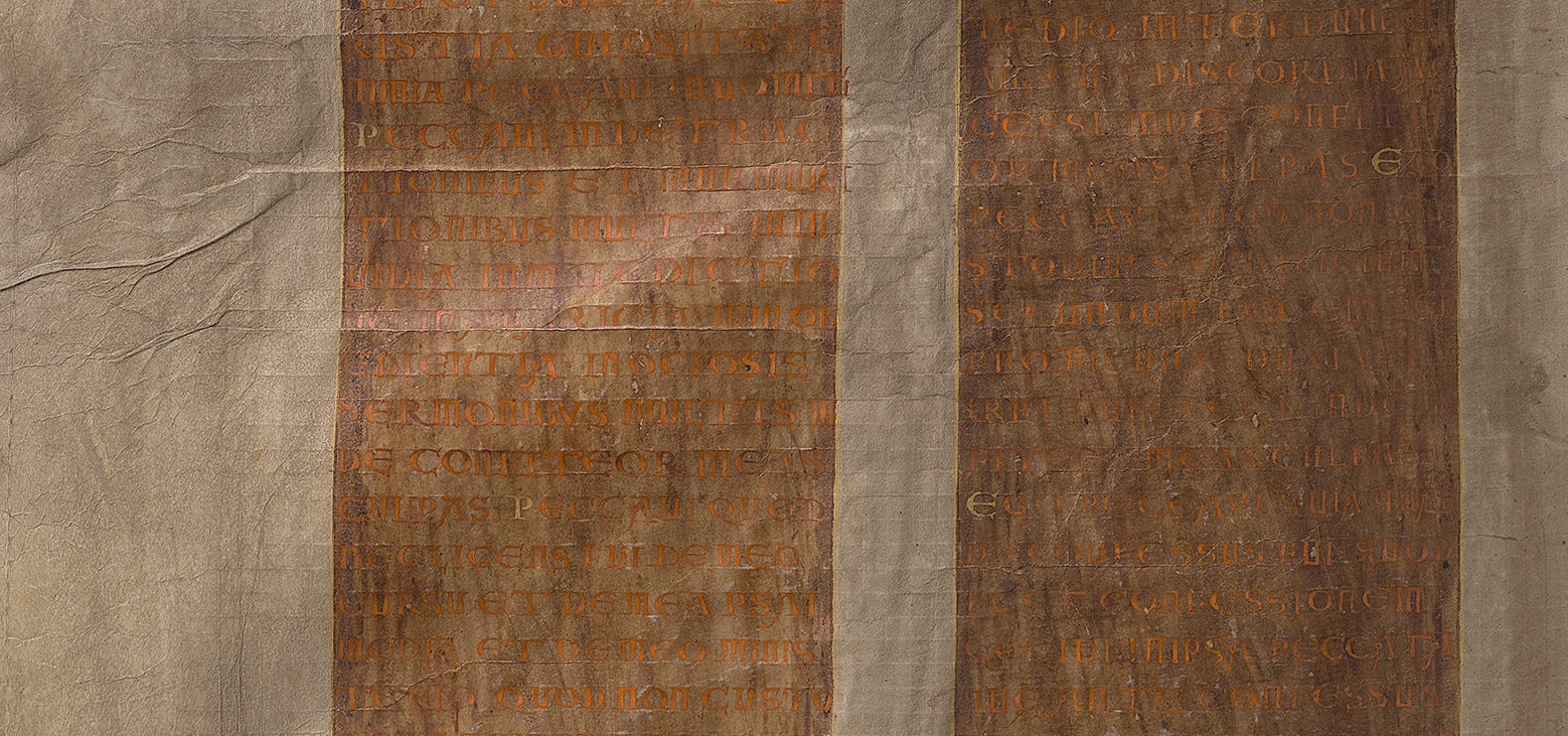
Then the spells, mainly after the devil’s illustration. The spread appearing after the portrait has three spells and two magic formulas. Perhaps they were placed there to counterbalance the Devil.
The last part consists of calendars and notes.
“Phew that’s a lot”
Indeed. There is also some history around it.
Starting with the passionate collector, Emperor Rudolf II. This guy ‘borrowed’ the Codex Gigas in 1594 and brought it to his castle in Prague. This guy seem to lose his mind shortly after. While some people think the Codex Gigas was the reason, turns out that his family had a history of physical and mental illnesses.
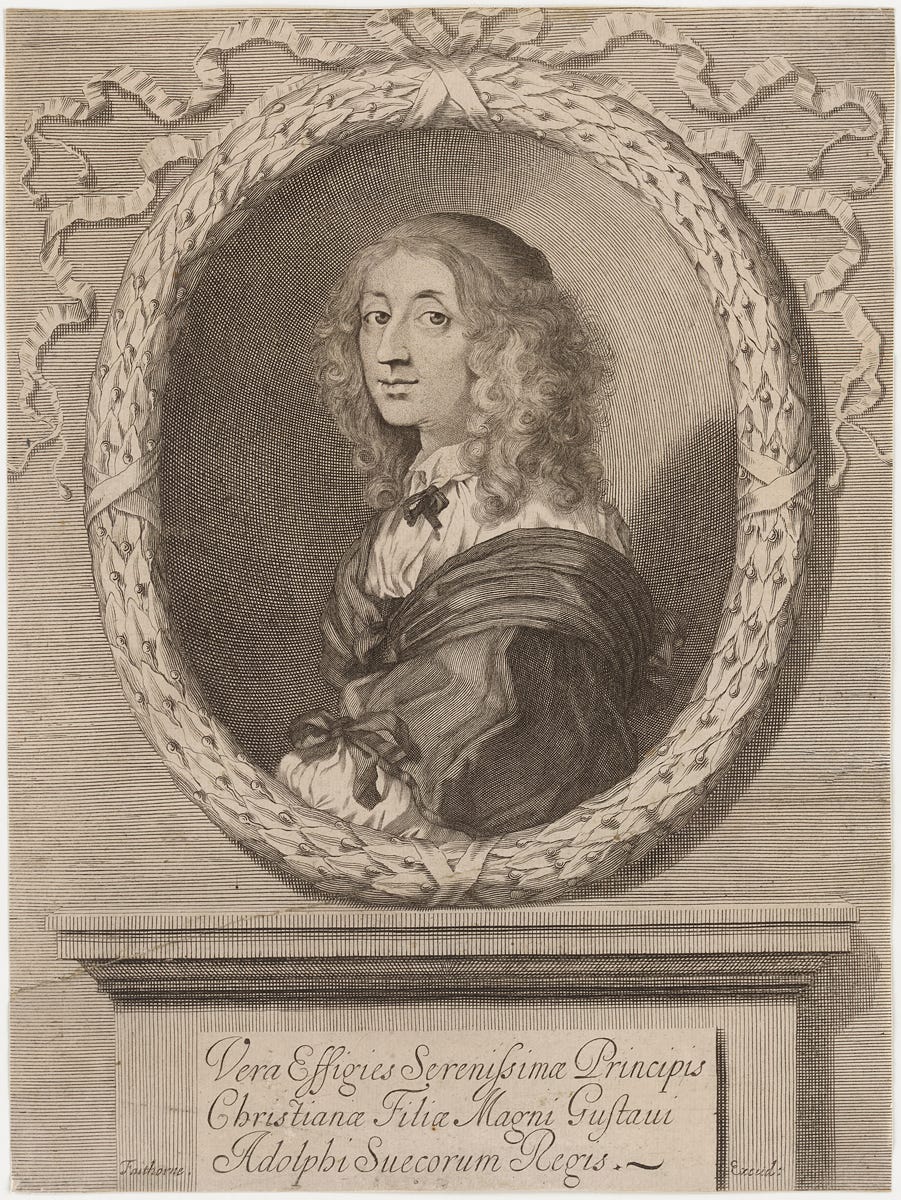
The manuscript remained in Prague until the Swedish army took it as war booty during the Thirty Years’ War. Queen Christina, a passionate book collector (like me, except I am broke), got the codex in 1648 and therefore it stayed in the library at Stockholm.
Until 50 years later when the Tre Kronor Royal Palace burned down on 7 May 1697. A large part of the book collection was consumed by the flames. The Devil’s Bible was saved because someone threw it out of a window. It is said to have landed on a person standing below the window, injuring him.
Since then, it has been housed in the National Library of Sweden.
With that, I would wrap up the tale of-
Oh a fun fact. You will notice how the page with the Devil’s illustration is way darker than the other pages. Creepy, right?
It’s because Vellum is sensitive to sunlight. Prolonged exposure to sunlight causes vellum to darken or turn yellowish. So it’s not a sign of some supernatural entity’s presence, rather just a testimony of human fascination regarding the supernatural (in this case, the Devil’s portrait)
Well, I will draw the curtains here.
scaryyy
This is quite fascinating and cool oohh. A hypothesis that comes to my mind is that the book could have been written by a cult in hiding that worshipped the devil back then.
The portrait of the devil seems quite eerie but also seems human. Amazing post. Loved ittt.